
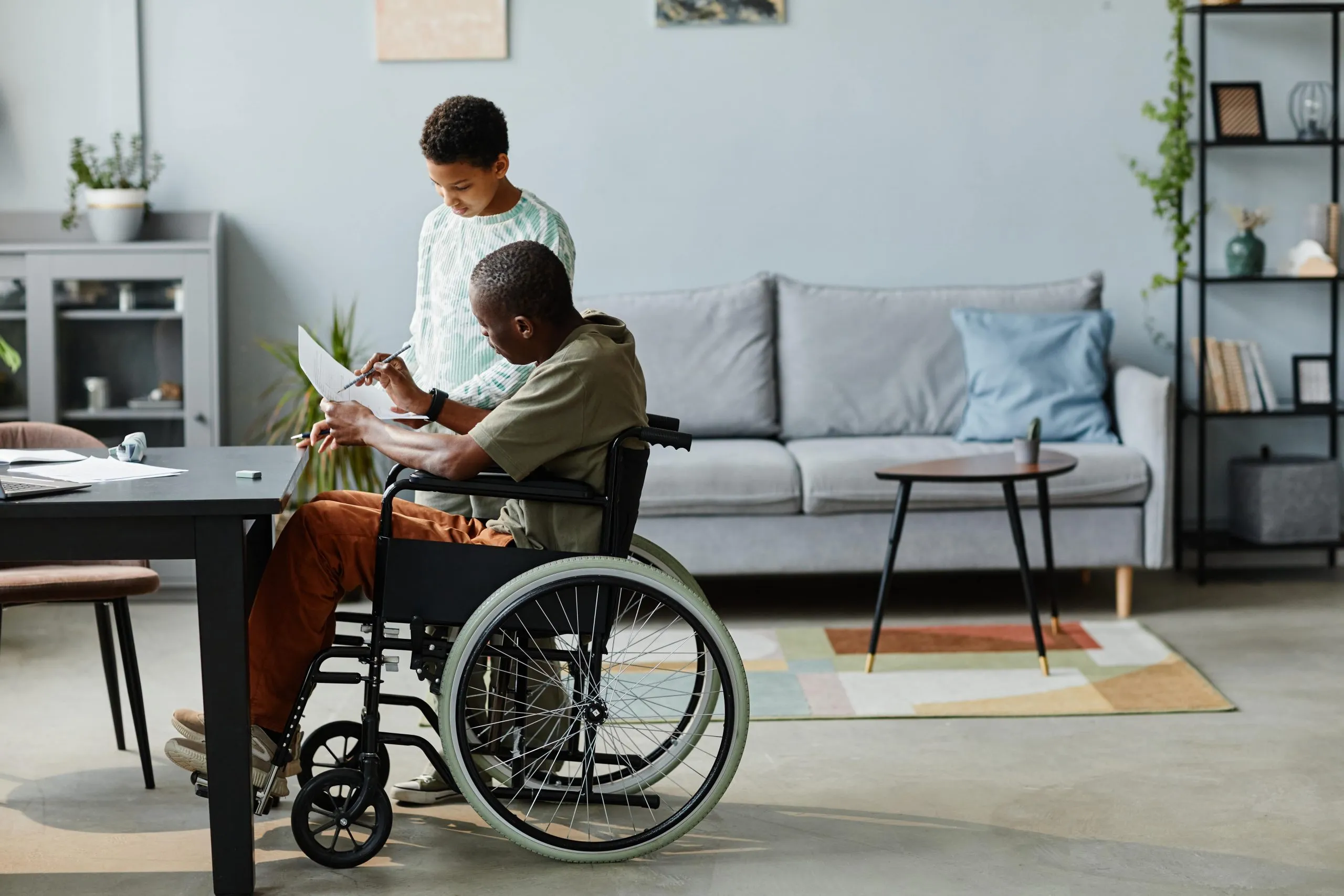
Is Supported Independent Living Right for You?
For many people living with disability, having greater independence is an important personal goal. Being able to make your own decisions, develop daily living skills, and have more control over your routine can make a significant difference to your quality of life. Supported Independent Living, often referred to as SIL, is one way that the NDIS can help participants work towards these goals.
If you have heard about Supported Independent Living but are unsure whether it is the right fit for you or a loved one, understanding how SIL works can help you make a more informed decision.

What Is Supported Independent Living?
Supported Independent Living is an NDIS-funded support designed for people who need regular assistance with everyday tasks while living in their own home. SIL is most commonly provided in shared living arrangements, although some participants may receive support in other housing situations depending on their individual needs.
The focus of SIL is not simply providing care. It is about helping people build the skills, confidence, and support networks they need to live as independently as possible.
Support can include assistance with:
- Personal care and daily routines
- Household tasks such as cleaning and cooking
- Developing life skills
- Attending appointments
- Building social and communication skills
- Managing day-to-day responsibilities
Every participant’s support needs are different, which means SIL arrangements can vary from person to person.

Who Might Benefit From SIL?
Supported Independent Living is generally suited to people who require ongoing support throughout the day or overnight. This may include individuals living with intellectual disability, autism, psychosocial disability, acquired brain injury, or other conditions that impact daily living.
Many participants find that SIL provides a balance between independence and support. Rather than relying entirely on family members or carers, they can receive assistance from trained support workers while continuing to make choices about their own lives.
SIL may also benefit people who are looking to develop greater confidence in managing everyday activities, forming social connections, and participating more actively in their community.
Questions to Ask Yourself
Deciding whether SIL is right for you is a personal decision. There is no single answer that suits everyone.
Some questions worth considering include:
- Do I need regular support with daily tasks?
- Am I interested in becoming more independent?
- Would I benefit from living with other people who have similar support needs?
- Do I want more opportunities to build life skills and confidence?
- Would having professional support reduce stress for myself or my family?
Answering these questions can help identify whether Supported Independent Living aligns with your goals and support requirements.

The Benefits of Supported Independent Living
One of the biggest advantages of SIL is the opportunity to develop independence in a supportive environment. Participants are encouraged to build practical skills while knowing support is available when needed.
Many people also enjoy the social aspects of shared living arrangements. Living with others can help reduce feelings of isolation and create opportunities for friendships, shared experiences, and community participation.
Families often find peace of mind knowing their loved one is receiving professional support while continuing to work towards personal goals and greater independence.
Finding the Right SIL Provider
Choosing the right provider is an important part of the process. A good Supported Independent Living provider will take the time to understand your goals, preferences, and support needs.
The right support should feel personalised rather than one-size-fits-all. It should empower you to make decisions, build skills, and maintain as much independence as possible.
Open communication, experienced support workers, and a genuine focus on participant outcomes are all important factors to consider when exploring SIL options.

Final Thoughts
Supported Independent Living can be a life-changing option for people who want to build independence while continuing to access the support they need. While it may not be the right solution for everyone, many NDIS participants find that SIL helps them gain confidence, develop important life skills, and enjoy a greater sense of control over their daily lives.
If you are considering Supported Independent Living, speaking with an experienced disability support provider like Premium Home Care Service can help you better understand your options and determine whether SIL is the right fit for your goals and circumstances.