
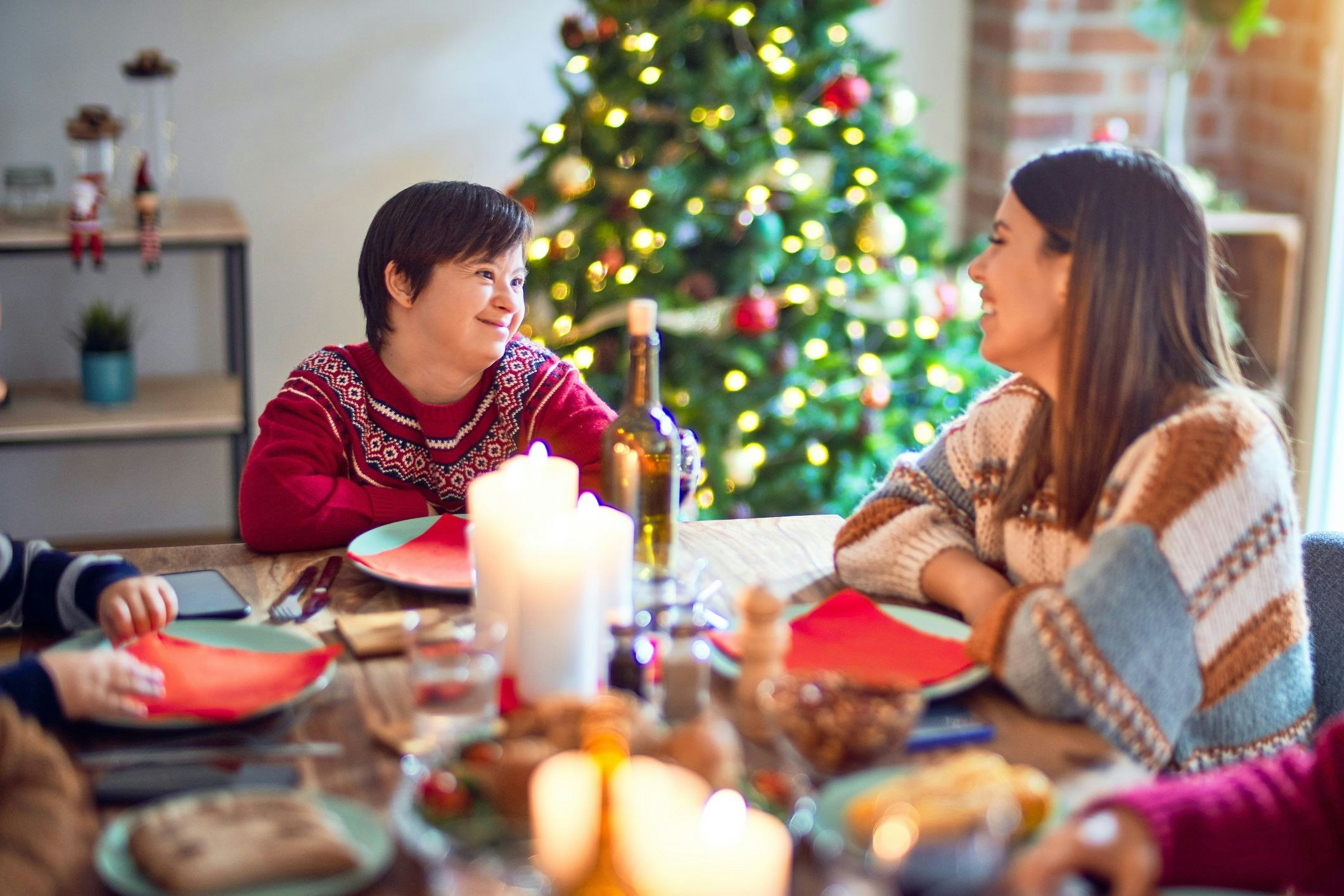
Tips for a Disability-Friendly Christmas
The holiday season is a time for joy and togetherness. Yet, for people with disabilities, it can present unique challenges. Creating a disability-friendly Christmas ensures everyone feels included and valued. This guide offers practical tips to make the holidays accessible and enjoyable for all.
Planning ahead is key to a successful, inclusive celebration. By considering accessibility needs, you can create a welcoming environment. Involving people with disabilities in planning fosters empowerment and choice.
Support workers and resources like the NDIS play a crucial role. They help facilitate a smooth, enjoyable holiday experience. With empathy and understanding, we can create a joyful, disability-friendly holiday season.

Planning an Inclusive and Accessible Holiday Season
Planning for an inclusive and accessible holiday season can make all the difference. Start by assessing the accessibility of your home and any venues you’ll visit. Consider features such as ramps, accessible restrooms, and wide doorways.
Create a checklist to ensure nothing is overlooked. Include considerations for transportation, seating arrangements, and dietary needs. Keep open communication lines with people with disabilities to understand their unique needs.
Involving everyone in the planning process not only empowers but also encourages a sense of belonging. request input from family members and support workers to cover all aspects of accessibility. Utilise community resources and Premium Home Care Services to provide additional support if needed.
Here’s a quick list to help with your planning:
- Assess accessibility of locations
- Create a checklist for needs
- Communicate with all involved
- Utilise community and care services
Involving Everyone: Empowering Participation and Choice
Encouraging participation from people with disabilities enriches holiday celebrations. Invite them to share ideas and preferences for activities. Their choices may bring new and exciting traditions to your celebrations.
Ensure that everyone’s voice is heard and valued. Foster an environment where individuals feel comfortable expressing their wants and needs. This approach not only enhances enjoyment but also nurtures independence and self-confidence.
Consider inclusive activities that everyone can engage in. This could include decorating cookies together, crafting ornaments, or taking part in a holiday sing-along. Tailor these activities to accommodate various abilities and interests, ensuring a joyous experience for all involved.
Here’s a list of inclusive activities to consider:
- Baking and decorating cookies together
- Crafting homemade ornaments
- Enjoying a holiday sing-along
- Playing accessible games for all
Creating a Sensory-Friendly and Comfortable Environment
The holiday season can be overwhelming, especially for those with sensory sensitivities. Creating a calm, sensory-friendly environment is essential for comfort. Adjusting lighting, minimising loud noises, and providing quiet spaces can make a significant difference.
Consider the preferences and needs of each individual. Some may enjoy twinkling lights while others might prefer gentle, steady lighting. Your goal is to create a comforting atmosphere where everyone feels at ease.
Incorporating textures and scents in a moderate way can enhance the sensory experience positively. Offer a variety of seating options to accommodate different comfort needs, ensuring everyone can relax and enjoy.
Here’s a list of tips to create a sensory-friendly space:
- Use adjustable lighting for flexibility
- Provide noise-cancelling headphones or earplugs
- Offer a quiet space for individuals needing a break
by Pipcke (https://unsplash.com/@pipcke)
Accessible Decorations, Gifts, and Activities
Decorations play a big part in the holiday spirit. Choose items that are both festive and accessible. Opt for decorations that can be easily reached and enjoyed by everyone. Keep walkways clear to avoid obstacles.
When selecting gifts, think about what might bring joy and utility to people with disabilities. Adaptive tools, sensory toys, or hobby-related items can be thoughtful choices. Personalisation adds a special touch, showing understanding and care.
Activities should be inclusive, allowing everyone to participate joyfully. Adapt traditional games or crafts to suit different abilities and interests. Collaborative efforts, like decorating together or baking cookies, can foster a sense of community.
Here are a few tips for choosing accessible decorations and gifts:
- Use large print or braille labels
- Pick decorations that are easy to handle
- Choose gifts that cater to individual needs

The Role of Support Workers and NDIS Resources
Support workers are essential in creating a disability-friendly Christmas. They offer invaluable assistance tailored to individual needs. Their presence can ensure that celebrations are smooth and enjoyable for everyone involved.
Utilising NDIS resources can greatly enhance holiday plans. Support coordinators can help navigate available services and funding. This ensures that each person’s unique requirements are addressed effectively.
To make the most of available support, consider these steps:
- Consult with support workers to understand needs.
- Utilise NDIS planners for tailored assistance.
- Engage Premium Home Care Services for additional support.
These resources, combined with empathetic caregivers, form the backbone of a truly inclusive holiday celebration.
Navigating Holiday Gatherings and Meals
Gatherings can be overwhelming for people with disabilities. Planning ahead can help alleviate stress. It’s crucial to ensure that the environment is accessible and welcoming.
Consider dietary needs and seating arrangements to facilitate comfort. Flexible meal options can cater to various needs and preferences. Thoughtful planning can make everyone feel included.
Here are some tips to consider:
- Offer a range of dietary options.
- Arrange seating for easy mobility.
- Create quiet spaces for downtime.
by Europeana (https://unsplash.com/@europeana)
Effective communication with guests about their needs is essential. By fostering an inclusive atmosphere, we create a supportive and enjoyable holiday experience. It’s about making sure everyone feels seen, heard, and comfortable.
Managing Stress and Supporting Emotional Wellbeing
The holiday season can heighten stress for people with disabilities and their caregivers. It’s important to prioritise emotional well-being during this time. Recognising signs of stress early can help in managing it effectively.
Creating a calm and supportive environment can alleviate anxiety. Encourage open communication about feelings and stressors. Understanding personal limits and respecting them is crucial.
Here are some strategies to support emotional well-being:
- Encourage regular breaks to relax and unwind.
- Engage in calming activities like listening to music or meditation.
- Maintain a consistent routine to provide structure.
By fostering emotional support and understanding, we can ensure a joyful and relaxed holiday experience for everyone.
Celebrating Achievements and Creating Lasting Memories
The holidays are a perfect time to celebrate personal achievements. Acknowledging accomplishments can boost self-esteem and bring joy. It’s essential to focus on the positive milestones, no matter how small they may seem.
Creating lasting memories involves meaningful activities that resonate with everyone involved. Consider capturing these moments through photos or videos. Engaging in holiday traditions together can also strengthen bonds.
Here are some ideas to celebrate and create memories:
- Host a small celebration or award ceremony for achievements.
- Share stories and express gratitude around the table.
- Craft memory books or journals together.
By cherishing these special times, we build a foundation of joy and connection that endures beyond the holiday season.
Conclusion: Christmas for All
A disability-friendly Christmas ensures everyone feels valued and included. By prioritising accessibility and empowerment, we can create a joyful holiday season for everyone.


