How to Choose the Right NDIS Provider in Adelaide for Your Loved One

By UncategorizedNo Comments

How to Choose the Right NDIS Provider in Adelaide for Your Loved One

Choosing the right NDIS provider can feel overwhelming, especially when you want the very best support for someone you care about. Families often tell us they feel pressure to make the perfect decision, because the quality of support has a direct impact on independence, confidence, and overall wellbeing. At Premium Home Care Services in Adelaide, we understand how important this choice is, and we believe families deserve clear, honest information to guide them.

smiling couple kissing during daytime

One of the first things to consider is whether a provider genuinely puts people first. Quality NDIS support is not just about completing tasks. It is about building meaningful relationships, respecting cultural diversity, and helping participants achieve their personal goals. A good provider will take time to listen to both the participant and their family, and will develop supports that reflect individual needs, preferences, and routines. This person centred approach helps create consistency and trust, which is especially important for participants with complex needs or communication challenges.

Another key factor is flexibility. Life changes, and NDIS supports should be able to change too. Families should look for providers who can adjust services as goals evolve or circumstances shift. This includes support coordination, supported independent living, and in home care that can grow with the participant. Flexible providers can reduce stress for families because they know help is available when it is needed.

Experience and professionalism also play a major role. Families often feel more confident when they know their provider has skilled and trained staff. This includes support workers who understand disability, behaviour support, and safety. It is also important that staff are compassionate and reliable. At Premium Home Care Services, we focus on recruiting team members who are not only qualified, but who are genuinely passionate about helping others. Many families tell us this makes a huge difference in their day to day lives.

A man in a wheel chair being pushed by a woman

Communication is another area that families should not overlook. Regular updates, transparency, and clear contact points help families stay informed and involved. When providers communicate openly, families feel reassured that their loved one is supported and safe. Good communication also helps prevent misunderstandings and ensures services are always aligned with NDIS goals and funding.

Location can also influence the level of support available. Choosing an Adelaide based NDIS provider means faster response times, local knowledge, and stronger connections with community services. Local providers often have established relationships with therapists, allied health professionals, and housing providers, which can make the process smoother for participants and their families.

a woman in a wheel chair holding a box

Finally, trust your instincts. If a provider makes you feel heard, respected, and supported, that is a strong sign you are on the right path. The right NDIS provider should feel like a partner in your journey, not just a service.

If you are searching for reliable, heart centred disability support in Adelaide, Premium Home Care Services is here to help. Our experienced team works closely with participants and families to deliver personalised NDIS supports that empower independence and improve quality of life. We are committed to building genuine connections and supporting every participant to live the life they choose.

Understanding Plan Reviews: How to Prepare for Your NDIS Review in Adelaide

By NDIS and DisabilityNo Comments

Understanding Plan Reviews: How to Prepare for Your NDIS Review in Adelaide

For many NDIS participants across Australia, a plan review can feel stressful or uncertain. However, your NDIS review is an important opportunity to reflect on your progress, update your goals, and make sure your supports continue to meet your needs. For participants in Adelaide, being prepared for your plan review can help you feel more confident and ensure you receive the right level of funding and services moving forward.

An NDIS plan review is designed to look at how your current supports are working and whether any changes are needed. Over time, your circumstances, goals, and health may change. You might develop new skills, require additional support, or want to explore new opportunities such as employment, education, or more independent living. A review gives you the chance to communicate these changes and make sure your plan continues to reflect your life.

A man in a wheel chair in a kitchen

One of the most important steps in preparing for your review is reflecting on your goals. Think about what you wanted to achieve when your current plan started. Consider what you have accomplished and what you would still like to work towards. This might include building independence, increasing social connection, improving daily living skills, or accessing your community more often. Clear goals help the NDIS understand how your funding supports your progress.

It is also helpful to gather evidence that shows how your supports have helped you. This may include reports from therapists, feedback from support workers, or examples of progress in your daily routine. For participants in Adelaide, local providers such as Premium Home Care Services can assist by documenting outcomes and providing information that demonstrates how supports are making a positive impact. This evidence can be valuable when requesting changes or additional supports.

Communication plays a key role in a successful plan review. Many participants worry about saying the wrong thing or not knowing how to explain their needs. It is important to be honest and clear about what is working and what is not. If you need more support in certain areas, this is the time to speak up. The goal of the NDIS is to improve quality of life, so your voice should always be at the centre of the process.

Another important factor is thinking about the future. Your review is not only about the past year. It is also about where you want to go next. This might include moving into Supported Independent Living, exploring assistive technology, increasing community access, or developing skills for employment. Planning ahead can help your new NDIS plan support long term outcomes rather than short term solutions.

For many families and carers in Australia, plan reviews are also a chance to discuss sustainability. Caring responsibilities can change over time, and additional supports such as respite or in home assistance may be needed. Including family perspectives in the review process can lead to better outcomes for everyone involved.

a woman playing with a child on a table

Working with an experienced and supportive provider can make the review process much easier. At Premium Home Care Services, we help NDIS participants in Adelaide prepare for their reviews by identifying goals, tracking progress, and ensuring participants feel confident and informed. Our culturally diverse team understands that every person has a unique journey, and we are committed to supporting you every step of the way.

Your NDIS plan review is not something to fear. It is an opportunity to take control of your future, celebrate your achievements, and ensure your supports continue to empower your independence. With the right preparation and guidance, participants across Adelaide and Australia can approach their review with confidence and clarity.

If you would like support preparing for your next NDIS review, contact Premium Home Care Services today. Our team is here to help you make the most of your NDIS plan and continue building the life you want.

How NDIS Home Care Supports Independence, Choice and Everyday Living

By NDIS and DisabilityNo Comments

How NDIS Home Care Supports Independence, Choice and Everyday Living

Living with a disability should never mean giving up independence, comfort or choice. Through the National Disability Insurance Scheme (NDIS), Australians with disability can access personalised home care supports that help them live the life they choose. At Premium Home Care Services (PHCS), we work alongside NDIS participants to deliver practical, respectful and flexible support in the comfort of their own homes.

NDIS home care is designed to support people with disability to manage everyday tasks, build skills and stay connected to their community. These supports are not one size fits all. They are tailored to individual goals, abilities and preferences, which is what makes the NDIS such a powerful system when delivered well.

What is NDIS Home Care Support

NDIS home care includes a wide range of supports that help participants with daily living. This can include personal care such as showering and dressing, domestic assistance like cleaning and meal preparation, medication support, and help with attending appointments or community activities. For many participants, these supports make the difference between struggling alone and living confidently with the right assistance.

At Premium Home Care Services, we take the time to understand what matters most to each person. Some participants want help maintaining their independence at home, while others need more regular support due to complex disability needs. Our approach focuses on dignity, choice and building long term trust.

Supporting Independence Through Everyday Care

One of the key goals of the NDIS is to promote independence. Quality home care does not take over a person’s life. Instead, it supports participants to do as much as possible for themselves, while providing assistance where needed. This might mean encouraging skill building in daily routines, supporting decision making, or simply being there to provide reassurance.

For NDIS participants living alone, home care can also play an important role in safety and wellbeing. Regular support workers can notice changes in health, mood or mobility and respond early. This proactive approach helps prevent small issues from becoming larger problems.

The Importance of the Right Support Provider

Choosing the right NDIS home care provider is essential. A good provider will listen, communicate clearly and adapt supports as needs change. They will respect cultural background, personal routines and individual preferences. At Premium Home Care Services, we are proud to have a culturally diverse team who understand that quality disability support is about people, not just services.

We work closely with participants, families and support coordinators to ensure supports align with NDIS plans and personal goals. Whether a participant is self managed, plan managed or agency managed, we aim to make accessing disability support simple and stress free.

NDIS Support That Fits Your Life

No two lives are the same, and disability support should reflect that. NDIS home care can support people of all ages and abilities, whether they are building independence for the first time or managing long term disability needs. Flexible scheduling and personalised care plans mean supports can grow and change as life does.

For many NDIS participants, receiving support at home allows them to stay connected to their community, maintain routines and enjoy familiar surroundings. This stability is especially important for people with psychosocial disability, intellectual disability or complex support needs.

Why Premium Home Care Services

Premium Home Care Services is committed to delivering high quality NDIS home care across Australia, with a strong focus on trust, consistency and respect. Our experienced support workers are trained to provide reliable disability support that puts participants first. We believe everyone deserves to feel safe, supported and valued in their own home.

If you are an NDIS participant or a family member looking for disability home care that genuinely supports independence and wellbeing, Premium Home Care Services is here to help. With the right NDIS supports in place, living well at home is not just possible. It is achievable.

Tips for a Disability-Friendly Christmas

By NDIS and DisabilityNo Comments

Tips for a Disability-Friendly Christmas

The holiday season is a time for joy and togetherness. Yet, for people with disabilities, it can present unique challenges. Creating a disability-friendly Christmas ensures everyone feels included and valued. This guide offers practical tips to make the holidays accessible and enjoyable for all.

Planning ahead is key to a successful, inclusive celebration. By considering accessibility needs, you can create a welcoming environment. Involving people with disabilities in planning fosters empowerment and choice.

Support workers and resources like the NDIS play a crucial role. They help facilitate a smooth, enjoyable holiday experience. With empathy and understanding, we can create a joyful, disability-friendly holiday season.

a young boy wearing glasses and a red plaid shirt

Planning an Inclusive and Accessible Holiday Season

Planning for an inclusive and accessible holiday season can make all the difference. Start by assessing the accessibility of your home and any venues you’ll visit. Consider features such as ramps, accessible restrooms, and wide doorways.

Create a checklist to ensure nothing is overlooked. Include considerations for transportation, seating arrangements, and dietary needs. Keep open communication lines with people with disabilities to understand their unique needs.

Involving everyone in the planning process not only empowers but also encourages a sense of belonging. request input from family members and support workers to cover all aspects of accessibility. Utilise community resources and Premium Home Care Services to provide additional support if needed.

Here’s a quick list to help with your planning:

  • Assess accessibility of locations
  • Create a checklist for needs
  • Communicate with all involved
  • Utilise community and care services

Involving Everyone: Empowering Participation and Choice

Encouraging participation from people with disabilities enriches holiday celebrations. Invite them to share ideas and preferences for activities. Their choices may bring new and exciting traditions to your celebrations.

Ensure that everyone’s voice is heard and valued. Foster an environment where individuals feel comfortable expressing their wants and needs. This approach not only enhances enjoyment but also nurtures independence and self-confidence.

Consider inclusive activities that everyone can engage in. This could include decorating cookies together, crafting ornaments, or taking part in a holiday sing-along. Tailor these activities to accommodate various abilities and interests, ensuring a joyous experience for all involved.

Here’s a list of inclusive activities to consider:

  • Baking and decorating cookies together
  • Crafting homemade ornaments
  • Enjoying a holiday sing-along
  • Playing accessible games for all

Creating a Sensory-Friendly and Comfortable Environment

The holiday season can be overwhelming, especially for those with sensory sensitivities. Creating a calm, sensory-friendly environment is essential for comfort. Adjusting lighting, minimising loud noises, and providing quiet spaces can make a significant difference.

Consider the preferences and needs of each individual. Some may enjoy twinkling lights while others might prefer gentle, steady lighting. Your goal is to create a comforting atmosphere where everyone feels at ease.

Incorporating textures and scents in a moderate way can enhance the sensory experience positively. Offer a variety of seating options to accommodate different comfort needs, ensuring everyone can relax and enjoy.

Here’s a list of tips to create a sensory-friendly space:

  • Use adjustable lighting for flexibility
  • Provide noise-cancelling headphones or earplugs
  • Offer a quiet space for individuals needing a break

by Pipcke (https://unsplash.com/@pipcke)

Accessible Decorations, Gifts, and Activities

Decorations play a big part in the holiday spirit. Choose items that are both festive and accessible. Opt for decorations that can be easily reached and enjoyed by everyone. Keep walkways clear to avoid obstacles.

When selecting gifts, think about what might bring joy and utility to people with disabilities. Adaptive tools, sensory toys, or hobby-related items can be thoughtful choices. Personalisation adds a special touch, showing understanding and care.

Activities should be inclusive, allowing everyone to participate joyfully. Adapt traditional games or crafts to suit different abilities and interests. Collaborative efforts, like decorating together or baking cookies, can foster a sense of community.

Here are a few tips for choosing accessible decorations and gifts:

  • Use large print or braille labels
  • Pick decorations that are easy to handle
  • Choose gifts that cater to individual needs

A festive holiday room with accessible decorations and gifts

The Role of Support Workers and NDIS Resources

Support workers are essential in creating a disability-friendly Christmas. They offer invaluable assistance tailored to individual needs. Their presence can ensure that celebrations are smooth and enjoyable for everyone involved.

Utilising NDIS resources can greatly enhance holiday plans. Support coordinators can help navigate available services and funding. This ensures that each person’s unique requirements are addressed effectively.

To make the most of available support, consider these steps:

  • Consult with support workers to understand needs.
  • Utilise NDIS planners for tailored assistance.
  • Engage Premium Home Care Services for additional support.

These resources, combined with empathetic caregivers, form the backbone of a truly inclusive holiday celebration.

Navigating Holiday Gatherings and Meals

Gatherings can be overwhelming for people with disabilities. Planning ahead can help alleviate stress. It’s crucial to ensure that the environment is accessible and welcoming.

Consider dietary needs and seating arrangements to facilitate comfort. Flexible meal options can cater to various needs and preferences. Thoughtful planning can make everyone feel included.

Here are some tips to consider:

  • Offer a range of dietary options.
  • Arrange seating for easy mobility.
  • Create quiet spaces for downtime.

by Europeana (https://unsplash.com/@europeana)

Effective communication with guests about their needs is essential. By fostering an inclusive atmosphere, we create a supportive and enjoyable holiday experience. It’s about making sure everyone feels seen, heard, and comfortable.

Managing Stress and Supporting Emotional Wellbeing

The holiday season can heighten stress for people with disabilities and their caregivers. It’s important to prioritise emotional well-being during this time. Recognising signs of stress early can help in managing it effectively.

Creating a calm and supportive environment can alleviate anxiety. Encourage open communication about feelings and stressors. Understanding personal limits and respecting them is crucial.

Here are some strategies to support emotional well-being:

  • Encourage regular breaks to relax and unwind.
  • Engage in calming activities like listening to music or meditation.
  • Maintain a consistent routine to provide structure.

By fostering emotional support and understanding, we can ensure a joyful and relaxed holiday experience for everyone.

Celebrating Achievements and Creating Lasting Memories

The holidays are a perfect time to celebrate personal achievements. Acknowledging accomplishments can boost self-esteem and bring joy. It’s essential to focus on the positive milestones, no matter how small they may seem.

Creating lasting memories involves meaningful activities that resonate with everyone involved. Consider capturing these moments through photos or videos. Engaging in holiday traditions together can also strengthen bonds.

Here are some ideas to celebrate and create memories:

  • Host a small celebration or award ceremony for achievements.
  • Share stories and express gratitude around the table.
  • Craft memory books or journals together.

By cherishing these special times, we build a foundation of joy and connection that endures beyond the holiday season.

Conclusion: Christmas for All

A disability-friendly Christmas ensures everyone feels valued and included. By prioritising accessibility and empowerment, we can create a joyful holiday season for everyone.

Celebrating the International Day of People with a Disability

By NDIS and Disability, NDIS NewsNo Comments

Celebrating the International Day of Disabilities

The International Day of People with Disabilities is a time to celebrate diversity and inclusion. Occurring annually on December 3rd, it highlights the rights and importance of people with disabilities. This day encourages us to reflect on the progress made and the challenges that remain in achieving true disability inclusion.

In Australia, this day serves as a reminder of the importance of disability awareness. It emphasies the need for accessible and inclusive communities. By understanding and supporting people with disabilities, we can foster a society that values diversity and empowers everyone.

Caregivers, people with disabilities, Support Workers, and the broader community all play vital roles in this journey. Together, we can advocate for personalised support and independence, and celebrate the contributions of people with disabilities whilst working towards a more inclusive future.

What is the International Day of People with Disabilities?

The International Day of People with Disabilities was first declared in 1992 by the United Nations. It aims to promote the rights and dignity of people with disabilities worldwide. Every year, this important day raises awareness and garners support to ensure inclusion across all spheres of society.

The theme for the day changes each year, addressing different aspects of disability inclusion. This variety encourages fresh conversations and approaches to disability advocacy. By focusing on diverse themes, the day seeks to uncover the challenges and opportunities faced by people with disabilities. This year’s theme is, Fostering disability inclusive societies for advancing social progress.’

Key aspects of the day include:

  • Promoting inclusion and accessibility.
  • Advocating for disability rights.
  • Encouraging positive attitudes toward disability.

The International Day of People with Disabilities inspires us to challenge stereotypes. It encourages communities worldwide to foster understanding and compassion. Emphasising the value of diverse contributions leads to more inclusive societies and enriched communities.

The Importance of Disability Awareness in Australia

Disability awareness is pivotal in building inclusive communities in Australia. Recognising and valuing the contributions of people with disabilities enhances community cohesion. Awareness fosters a culture of respect and acceptance for everyone’s unique abilities.

Australia is committed to advancing disability rights and inclusion, striving for an equitable society. Promoting awareness helps eliminate barriers to participation and accessibility. It empowers people with disabilities to take control of their lives and make informed choices.

Key elements of disability awareness include:

  • Educating the public about disability rights.
  • Supporting inclusive policies and practices.
  • Encouraging community involvement in disability initiatives.

Awareness campaigns across Australia highlight the importance of inclusion. They provide platforms for people with disabilities to share their stories. This visibility is crucial in breaking down stereotypes and fostering understanding.

boy near white wooden shelf

Supporting People with Disabilities: NDIS and PHCS in South Australia

In South Australia, the NDIS provides vital support to people living with disabilities. It offers funding for services that enable participants to achieve personal goals. This can range from accessing therapy to enhancing daily living skills.

Premium Home Care Service (PHCS) offer personalised care solutions. We focus on empowering both our NDIS and Aged Care clients to live with independence and dignity. This approach ensures that support aligns with personal aspirations.

Key support services include:

  • Tailored personal care
  • Community engagement activities
  • Skill development

PHCS and the NDIS work collaboratively to address diverse needs. By understanding individual experiences, they offer solutions that truly fit. Through such initiatives, individuals are supported to lead fulfilling lives. This comprehensive support plays a crucial role in fostering independence.

How Caregivers and Communities Can Make a Difference

Caregivers are pivotal in advocating for those with disabilities. They ensure that individual needs are understood and met. Their role also extends to providing emotional support, which is essential for well-being.

Communities can foster inclusion by embracing diversity. They create environments where every person feels valued and respected. Collaboration between caregivers and communities strengthens support networks.

Here are some ways to make a positive impact:

  • Advocate for accessibility
  • Promote disability awareness events
  • Support inclusive policies

Together, caregivers and communities nurture environments where everyone can thrive. Their combined efforts build understanding and remove barriers. Through empathy and action, they contribute to a more inclusive world.

two man smiling on focus photography

Celebrating Diversity and Inclusion in Adelaide and Beyond

Adelaide and regions across South Australia host various events for the International Day of People with Disabilities. These gatherings showcase the talents and stories of people living with disabilities. They create a platform for visibility and dialogue.

Events focus on building community and breaking down barriers. Participants engage in discussions and activities that promote inclusion. These experiences foster understanding and appreciation of diversity.

Key activities in Adelaide include:

  • Workshops and seminars
  • Art exhibits and performances
  • Community forums and panels

Celebrating this day amplifies voices and encourages broader societal change. It’s an opportunity to reflect on achievements and identify areas for progress. Together, we can embrace diversity for a more inclusive future.

Understanding the Strengthened Aged Care Quality Standards (2025)

By Aged CareNo Comments

Understanding the Strengthened Aged Care Quality Standards (2025)

At Premium Home Care Services (PHCS), quality care has always been at the centre of what we do. With the introduction of the Strengthened Aged Care Quality Standards (August 2025), which form part of the new Aged Care Act, Australia is taking an important step toward creating a more transparent, consistent and person centred aged care system.

These new standards have been designed to better protect older Australians, support their dignity and independence, and ensure providers deliver safe and high quality care at every step. Below is an overview of what is changing and what it means for the people and families we support.

man and woman walking on the street during daytime

Why the Standards Have Been Strengthened

The Royal Commission into Aged Care Quality and Safety highlighted the need for clearer expectations, stronger accountability and more respectful, individualised care.

The updated standards aim to:

  • Put older people at the centre of all care decisions
  • Strengthen governance and provider accountability
  • Improve safety, clinical outcomes and health monitoring
  • Ensure culturally safe and inclusive care
  • Build trust through transparency and consistent practice

These standards are not just regulatory obligations. They reflect the level of care all older Australians deserve.

man in white and blue checked dress shirt standing beside woman in pink shirt

The Seven Strengthened Aged Care Quality Standards

The new framework includes seven key standards, each focusing on a different aspect of delivering safe and high quality aged care.

1. The Individual

This standard reinforces that every older person has their own identity, choices, background and goals. Care must be personalised, respectful and empowering, ensuring people continue to live life their way.

At PHCS, this aligns closely with our approach. We recognise every person as a unique individual, not just a care recipient.

2. The Organisation

Providers must deliver safe and high quality care through strong leadership, clear communication and effective systems. This includes maintaining transparency and ensuring staff are trained, supported and accountable.

3. The Care and Services

Older people must receive care that is safe, effective and tailored to their needs. This includes clinical care, daily living supports and wellbeing services.

4. The Environment

Aged care environments must be comfortable, safe, clean and culturally appropriate. Even in home based care, this standard ensures the person’s living environment supports dignity and independence.

5. Clinical Care

This standard strengthens requirements around managing health conditions, medications, clinical assessments and responding to health changes promptly and safely.

6. The Workforce

Staff must be trained, skilled and supported to deliver quality care. This includes cultural competence, safety training, ongoing development and clear staff responsibilities.

7. The Governance

Boards, executives and leaders must ensure the entire organisation meets its responsibilities, prioritising safety, risk management, ethics and continuous improvement.

What This Means for PHCS Clients and Families

At Premium Home Care Services, we fully welcome these strengthened standards. Many of the expectations are already embedded in how we operate, but the new framework ensures even greater transparency and consistency across the aged care sector.

For our clients, this means:

  • More personalised and respectful care
  • Improved transparency around services and decisions
  • Stronger protections for safety, rights and wellbeing
  • Better care planning and clinical monitoring
  • Highly trained and supported staff
  • Clear pathways for feedback and concerns

For families, it offers reassurance that your loved one is receiving care that meets rigorous national standards.

Three seniors playing chess together in a living room.

Our Commitment Moving Forward

PHCS is actively reviewing and aligning all internal policies, training and quality systems with the strengthened standards to ensure we continue to deliver care that meets and exceeds expectations.

We will also be sharing a short social media series that breaks down each standard in simple terms, so our community can better understand what the changes mean day to day.

Providing high quality care is not just a requirement. It is our commitment to every person we support.

If you would like to learn more about how these changes may affect you or a family member, our team is always here to help.

Understanding Augmentative and Alternative Communication (AAC) Awareness Month

By NDIS and Disability, NDIS NewsNo Comments

Understanding Augmentative and Alternative Communication (AAC) Awareness Month

Communication is a fundamental human right, yet many individuals with disabilities face barriers in expressing themselves. Augmentative and Alternative Communication (AAC) offers a lifeline, providing tools and methods to bridge this gap. AAC Awareness Month shines a spotlight on these vital communication aids, promoting understanding and support.

For caregivers and support workers, navigating the complexities of AAC can feel overwhelming. However, with the right resources and training, they can empower individuals to achieve independence.

In Australia, the National Disability Insurance Scheme (NDIS) plays a crucial role. They ensure that individuals have access to the necessary support and assistive technology.

By raising awareness and fostering collaboration, AAC Awareness Month aims to create a more inclusive society. It encourages everyone to advocate for the rights and needs of those using AAC.

three crumpled yellow papers on green surface surrounded by yellow lined papers

What is Augmentative and Alternative Communication (AAC)?

Augmentative and Alternative Communication (AAC) encompasses methods used to assist those who cannot rely on speech alone. It provides alternative ways for individuals to express thoughts, needs, and ideas. AAC is essential for those with communication challenges, allowing them to engage more fully in life.

AAC can be divided into two main categories: unaided and aided systems. Unaided systems do not require external tools, relying on body language, gestures, and sign language. These methods can be empowering as they are entirely accessible to the user at all times.

Aided systems use external tools to support communication. These can range from communication boards to electronic devices that generate speech. Such systems are crucial for many individuals, providing them a voice and the ability to communicate easier.

Incorporating both unaided and aided AAC systems can enrich communication possibilities. Below are examples of AAC methods:

  • Gestures and sign language
  • Picture exchange systems
  • Speech-generating devices

Understanding these AAC forms can pave the way for effective support and improved quality of life for individuals with disabilities.

The Importance of AAC for Individuals with Disabilities

AAC holds immense significance for individuals with disabilities, as it bridges the gap in communication. For those who find traditional speech challenging, AAC offers alternative routes for interaction. These individuals can convey their needs, desires, and emotions more effectively.

Empowering individuals through AAC fosters independence and self-expression. It becomes a tool for social engagement, allowing users to participate in their communities. The sense of having a voice can significantly boost confidence and self-esteem.

AAC supports a more inclusive society by reducing barriers that communication challenges present. When individuals can express themselves, they contribute more meaningfully to family, work, and social settings. This inclusion is vital for emotional well-being and personal growth.

Key impacts of AAC on individuals with disabilities include:

  • Enhanced social participation
  • Increased sense of autonomy
  • Improved quality of life

By understanding and advocating for AAC, we can create opportunities that honor each person’s right to communicate.

Types of AAC: Unaided and Aided Systems

Augmentative and Alternative Communication (AAC) consists of two primary categories: unaided and aided systems. Understanding these helps in tailoring support for individuals based on their specific needs.

Unaided AAC involves communication methods that don’t require external tools. This includes gestures, body language, and sign language. These methods depend solely on the user’s physical abilities to convey messages.

On the other hand, aided AAC involves tools or devices to facilitate communication. These can range from simple picture boards to advanced speech-generating devices. Each tool is designed to complement the user’s abilities, offering flexibility and accessibility.

Here’s a quick breakdown of AAC types:

  • Unaided Systems: Gestures, Sign Language
  • Aided Systems: Communication Boards, Speech-Generating Devices

Choosing the right type involves considering the individual’s preferences, strengths, and daily communication needs.
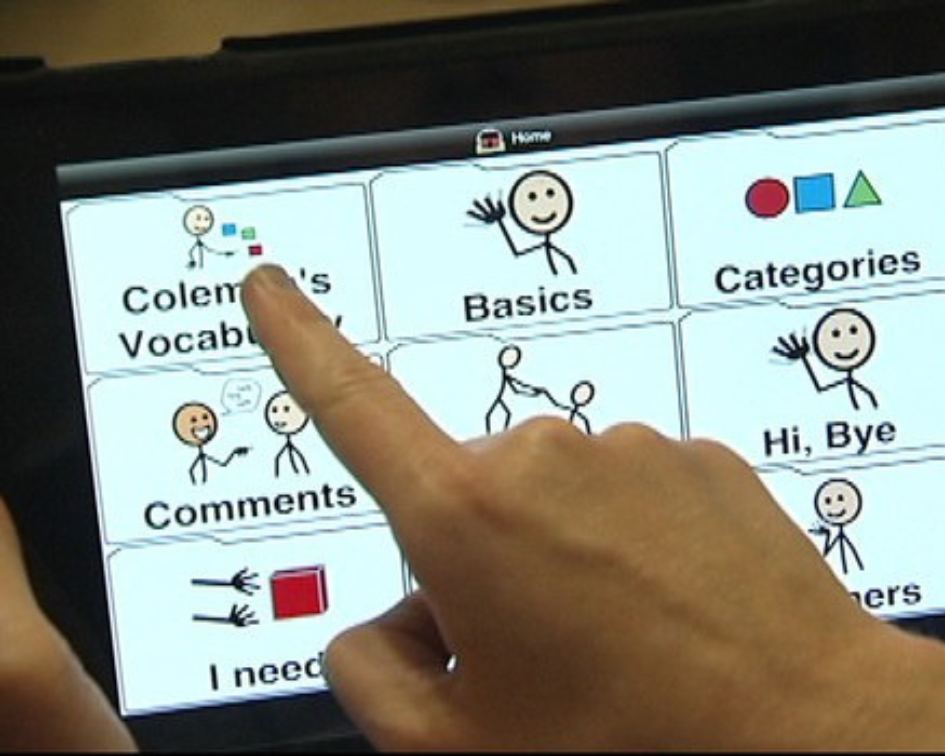
The Role of Speech Therapy and Support Work in AAC

Speech therapy plays a fundamental part in AAC by helping individuals develop communication skills. Therapists assess specific needs and tailor interventions to promote effective communication. They often collaborate with other professionals and caregivers for comprehensive care.

Support work enhances the success of AAC implementation by providing necessary assistance in diverse settings. Support workers assist individuals in using communication tools effectively. They also ensure these tools are integrated into daily routines, promoting independence.

Collaboration among speech therapists, support workers, and caregivers is crucial. This teamwork helps create personalised plans that cater to each individual’s needs. Here at Premium Home Care Service, we work closely alongside our client’s allied health practitioners to ensure consistent and high quality care. 

These combined efforts ensure a holistic approach to improving communication for AAC users.

Assistive Technology and AAC: Expanding Communication Possibilities

Assistive technology transforms communication for people who would otherwise have difficulty expressing themselves. It provides diverse tools, from simple devices to advanced electronic systems, greatly enhancing expression capabilities.

Innovations in this field continue to expand these options. Technology adapts to individual needs, ensuring accessibility and improving the effectiveness of AAC systems. Such advancements allow individuals with disabilities to communicate with more ease and confidence.

Key tools include:

  • Speech-generating devices: Enable verbal communication
  • Communication apps: Provide digital platforms for expression
  • Adaptive hardware: Customize interaction with devices

These technologies play a vital role in the everyday lives of AAC users. They promote independence and empower individuals to connect with others in meaningful ways.

AAC in Australia: Services, Support, and the NDIS

Australia provides comprehensive services to support AAC users. Organisations like Premium Home Care Service (PHCS) offer specialized help, ensuring individuals get the best care and assistance.

The NDIS supports eligible participants. It covers essential AAC tools and services, making communication aids more accessible to those in need.

Available resources include:

  • Specialized training: For caregivers and support workers
  • Personalized care plans: Tailored to individual needs
  • Collaborative support networks: Uniting therapists and families

This support framework empowers individuals with disabilities, allowing them to achieve their personal goals through effective communication.
How Caregivers and Support Workers Can Empower AAC Users

Caregivers and support workers play a pivotal role in empowering AAC users. They can create a supportive environment by understanding the unique needs of each individual.

Encouragement and patience are key. Supporting AAC users involves building confidence and promoting self-expression. It’s important to celebrate small successes and foster independence.

Effective strategies include:

  • Ongoing training: To stay informed about the latest AAC tools
  • Collaborative planning: Working with therapists to set achievable goals
  • Personalised communication strategies: Tailored to each individual’s preferences

These efforts can significantly enhance the quality of life for AAC users, promoting a sense of belonging and empowerment.

Getting Involved in AAC Awareness Month

Participating in AAC Awareness Month offers a chance to foster inclusion and understanding. By getting involved, you can help reduce stigma and educate others about communication disabilities.

Consider these actions:

  • Attend workshops: Gain insights from professionals and users.
  • Participate in local events: engage in your community.
  • Share stories: Advocate through personal experiences on social media.

Your involvement can make a difference, promoting a more inclusive society for AAC users.

Conclusion: Building an Inclusive Future Through AAC

Augmentative and Alternative Communication (AAC) offers a voice to individuals with communication challenges. By embracing AAC, we create paths to independence.

Together, through awareness and support, we can cultivate an inclusive future, where everyone has the opportunity to communicate and connect meaningfully.

If you or your loved one are based in Adelaide or Melbourne, need high quality, persoanlised support work, and uses any kind of AAC, reach out to PHCS and find out how we can help!